
Understanding the psychological triggers behind gambling behavior
The Allure of Risk and Reward
The psychology of gambling is deeply rooted in the human attraction to risk and reward. This interplay can be traced back to our evolutionary development, where taking risks often led to survival benefits. The thrill of potentially winning large sums can overshadow the reality of loss, creating a compelling attraction. Many gamblers report a rush of excitement, akin to adrenaline, when wagering. This momentary high can become addictive, leading individuals to chase that elusive feeling of victory, often forgetting the potential consequences. For example, players might enjoy a game at the wildroyal casino, which enhances their gambling experience with a wide range of options.

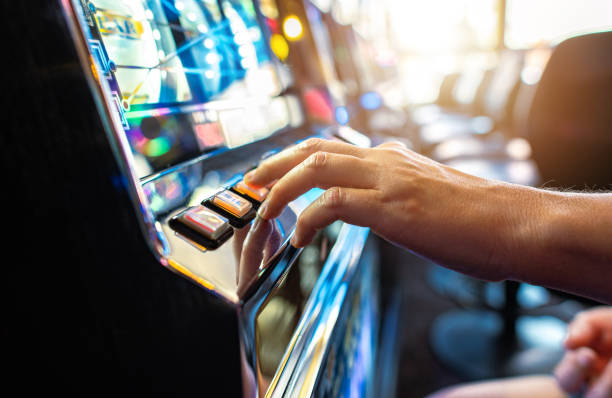
In gambling settings, such as casinos or online platforms, the environment is designed to amplify these feelings. Bright lights, engaging sounds, and even the layout of the space can stimulate excitement and anticipation. This sensory overload plays a significant role in keeping players engaged. When faced with the uncertainty of winning, players may experience a psychological state referred to as “near-misses,” where they feel they were close to a win. This can reinforce their desire to continue playing, believing that success is just around the corner.
This cycle of reward and anticipation further complicates the gambler’s mindset. The unpredictability of outcomes keeps players in a state of hope, despite losses. They often tell themselves that their next bet could be the one that leads to a major win, prolonging their engagement in the activity. Understanding these psychological triggers reveals why gambling can become a compulsive behavior for some, making it essential for individuals to recognize these patterns and seek help if needed.
The Role of Cognitive Biases
Cognitive biases significantly influence gambling behavior, shaping how individuals perceive risks and rewards. One common bias is the illusion of control, where gamblers believe they can influence outcomes through skill or strategy, even in games of chance. This perception can lead to increased participation and risk-taking, as individuals become overly confident in their ability to predict results. For instance, a player who wins a few hands in poker might mistakenly believe they are more skilled than they are, prompting them to gamble larger amounts.
Another prevalent cognitive bias in gambling is the gambler’s fallacy. This belief leads players to think that past outcomes affect future results, such as believing that a slot machine is “due” for a win after a series of losses. Such thinking can perpetuate a cycle of continued play and increased betting, as players chase their perceived luck. This distortion of logic demonstrates how cognitive biases can trap individuals in a cycle of irrational thinking, encouraging them to gamble beyond their means.
Understanding these cognitive biases is crucial for both gamblers and their loved ones. By recognizing how these mental shortcuts can distort reality, individuals may become more aware of their behavior and its potential consequences. Awareness allows for better decision-making and may reduce the likelihood of developing harmful gambling habits, emphasizing the importance of education on cognitive biases in gambling contexts.
Emotional Triggers and Coping Mechanisms
Emotions play a powerful role in gambling behavior, often acting as both a motivator and a deterrent. Many individuals turn to gambling as a means of coping with stress, anxiety, or depression. The excitement of playing can serve as an escape from daily pressures, creating a temporary sense of relief. However, this coping mechanism can quickly evolve into a reliance on gambling to manage emotions, leading to a potentially destructive cycle.
For instance, an individual facing financial difficulties may gamble to alleviate their feelings of hopelessness. The anticipation of a win becomes a way to distract from their problems, despite the risk of worsening their situation. Emotional triggers like loneliness, boredom, or a need for social interaction can also drive people to engage in gambling activities, further entrenching them in the habit. Understanding these emotional connections can help individuals identify when gambling is being used as a coping mechanism and highlight the importance of seeking healthier alternatives.
Recognizing emotional triggers can empower individuals to make informed choices about their gambling behavior. By exploring these feelings through self-reflection or professional support, individuals can develop healthier coping strategies. This understanding is essential not just for gamblers but also for friends and family members who wish to support those struggling with gambling-related issues, as emotional awareness can foster more constructive conversations around the topic.
The Impact of Environment and Social Influence
The environment in which gambling takes place significantly impacts behavior. Social factors, such as peer pressure and cultural norms, can either encourage or deter gambling participation. For example, in some communities, gambling is seen as a social activity, a way to bond with friends or family. This social acceptance can make individuals more likely to partake in gambling activities, regardless of personal financial circumstances or the potential for addiction.
Additionally, the rise of online gambling has transformed how individuals interact with gambling platforms. The accessibility and convenience of online casinos have made it easier for people to engage in gambling without the social pressures found in traditional settings. However, this also means that individuals may gamble in isolation, leading to a lack of accountability. The absence of a social context can obscure the consequences of gambling, making it easier for people to ignore warning signs of problematic behavior.
Understanding the influence of environment and social settings on gambling behavior is vital for developing responsible gambling practices. By fostering open conversations about gambling within social circles and communities, individuals can create a culture of awareness that promotes healthier engagement with gambling activities. This communal approach can help mitigate the risks associated with gambling and support those who may be struggling with compulsive behaviors.
Exploring Responsible Gaming at Wild Royal Casino
Wild Royal Casino is committed to creating a safe and enjoyable gaming environment for all players. Understanding the psychological triggers behind gambling behavior is essential for fostering responsible gaming practices. The platform promotes awareness of these triggers and offers resources to help players recognize and manage their gambling habits. By encouraging responsible play, Wild Royal Casino seeks to create a balance between entertainment and mindfulness.
The casino provides various tools and features aimed at promoting responsible gaming. Players have access to self-exclusion options, deposit limits, and reality checks to ensure they maintain control over their gambling activities. These measures empower individuals to take charge of their gaming experience, reinforcing the notion that gambling should remain an enjoyable pastime rather than a source of stress or anxiety.
By prioritizing responsible gaming, Wild Royal Casino not only aims to enhance player satisfaction but also contributes to the broader conversation about gambling addiction and mental health. They strive to create an environment where players feel comfortable seeking help if needed, fostering a supportive community that understands the psychological factors at play in gambling behavior. This commitment ensures that all players can enjoy the thrill of gaming while remaining mindful of their well-being.