
Air Jordan Resale Economy: Intelligent Tips for Buyers and Sellers
The Air Jordan resale market has expanded from a fringe hobby into a multi-billion-dollar market operating with the sophistication of a stock exchange. Sneakers that are priced at $170 can sell for $500, $1,000, or even $10,000 according to model, colorway, and availability. For purchasers, this space gives the ability to obtain out-of-stock drops and classic grails that would otherwise be inaccessible. For entrepreneurs, it constitutes a legitimate revenue source that thousands of resellers have monetized successfully. But operating in this arena without knowledge is a fast track to wasting money or getting scammed. Whether you hope to secure a pair at a discount or resell your freshest SNKRS W for money, knowing the mechanics of the Air Jordan resale ecosystem in 2026 is essential.
Learning the Resale Landscape
The current sneaker resale market works through a small number of major platforms, each with different fee structures and customer bases. StockX created the “Wall Street of sneakers” model, charging sellers a fee between 8 and 10 percent based on seller level. GOAT delivers a similar marketplace but adds the capability to sell pre-owned sneakers together with deadstock pairs, broadening the total market. eBay rejoined the legit-checked sneaker arena with its Authenticity Guarantee service and as of now charges zero seller fees on sneakers over $150, making it the most economical marketplace for sellers in 2026. Local consignment shops like Flight Club command a heftier 15 to 20 percent percentage but feature in-person authentication and same-day payment. Social media channels still enable substantial peer-to-peer sales, though without platform authentication the risk is considerably higher. Understanding each platform’s fee structure enables you to make informed choices based on whether you value the highest return, speed, or safety.
What Influences Resale Pricing
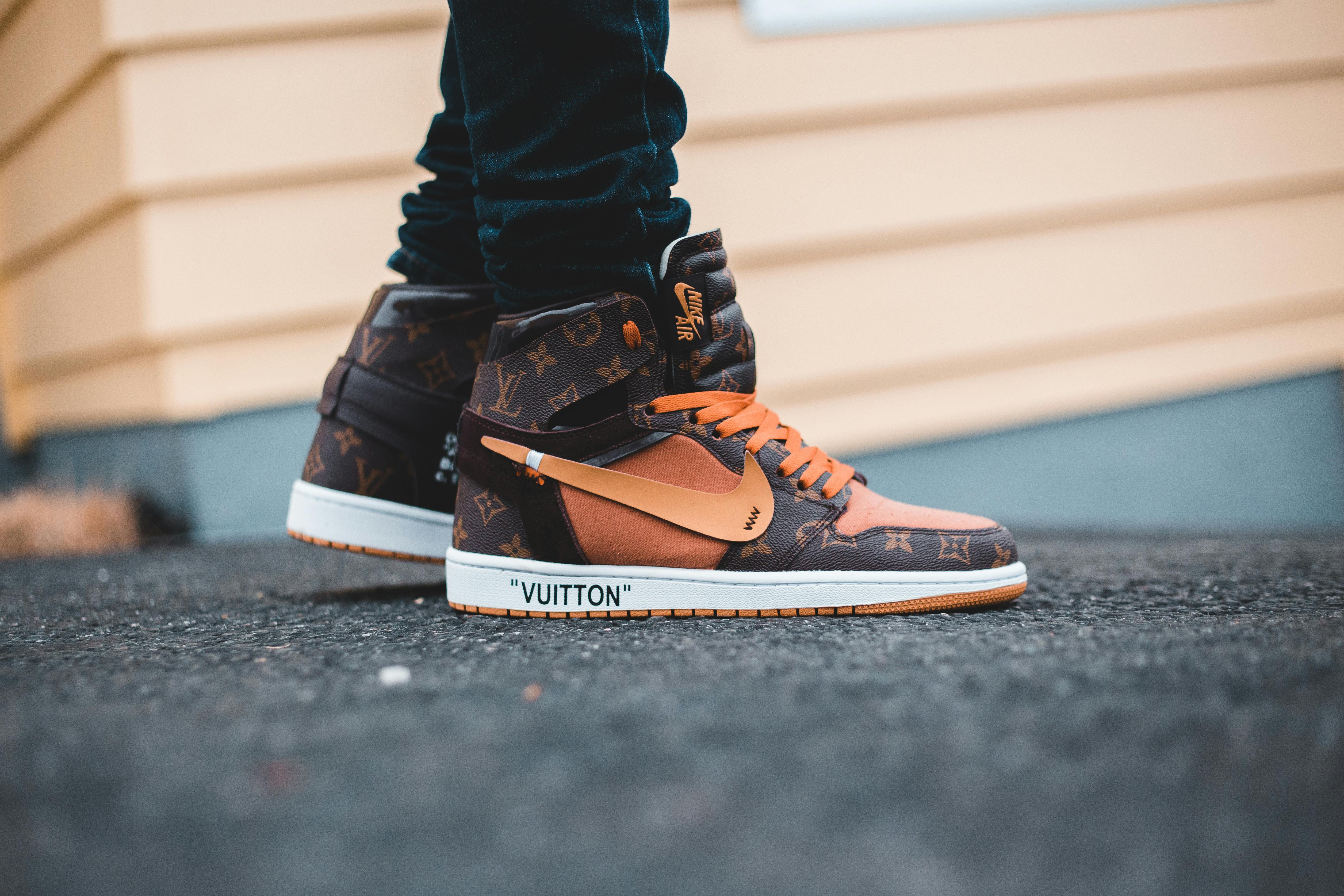
Aftermarket pricing operates on cycles dictated by recognizable supply and demand dynamics. The chief factor is supply limitation — exclusive drops under 50,000 pairs nearly always fetch considerable price increases, while mass-produced releases above 200,000 pairs usually move at or below retail after early excitement wanes. Partnership branding dramatically inflates price: a Travis Scott or Off-White joint release can boost 300 to 800 percent to secondary market price compared to a standard edition of the same shoe. OG colorways that Michael Jordan genuinely played in during competitive play always command higher prices jordan men sneaker drops than recent reimaginations of the same shoe. Condition is another important variable, with factory-fresh pairs earning a 30 to 50 percent price increase over lightly used pairs. The most common men’s sizes (9 through 11) generally carry greater availability on platforms, while extreme sizes commonly command higher prices due to scarcity. Prices generally spike during November and December holiday buying and drop during quieter summer.
| Marketplace | Seller Commission | Verification | Payout Time | Used Pairs | Ideal For |
|---|---|---|---|---|---|
| StockX | 8–10% | Physical in-house | 3–7 business days | No | Market data access |
| GOAT | 9.5% + shipping | In-house physical | 3–5 business days | Yes | Used sneaker sales |
| eBay | 0% (over $150) | External physical | 1–3 business days | Yes | Best seller margins |
| Flight Club | 15–20% | On-site specialists | Instant cash | Yes | Quick cash sales |
| Instagram / Facebook | 0% | None — buyer assumes risk | Same-day | Yes | Fee-free direct sales |
Intelligent Buying Tactics
The timing of your purchase is the biggest advantage for obtaining Air Jordans at less than maximum aftermarket prices. Nearly all buzzworthy drops follow a consistent trajectory: costs jump right after drop day as resellers capitalize on immediacy, then slowly decrease over two to six weeks as initial demand is satisfied and more supply hits the market. Waiting 30 to 45 days after release can save 15 to 30 percent compared to launch-day resale, according to historical data on StockX. Creating price alerts on marketplaces like StockX and GOAT lets you set your price and be patient until a seller to accept, rather than paying the asking price which invariably shows the most optimistic seller valuation. Contrasting prices across multiple platforms before committing is critical because the same shoe in the same size can vary by $20 to $80 between StockX, GOAT, and eBay at any given moment. For legacy retro editions not caught in a current hype cycle, values commonly reach their floor during June through August when sneaker market trading generally tapers off. Additionally, purchasing in non-standard sizes can occasionally work in your favor because these sizes have less competition competing for the same scarce stock.
Boosting Your Resale Returns
Effective reselling begins well before you publish a pair — it starts with obtaining the proper inventory through retail channels at the lowest possible cost basis. Registering for every accessible lottery for in-demand launches through Nike SNKRS, Foot Locker, JD Sports, and independent stores increases your likelihood of obtaining shoes at MSRP, which is the bedrock of resale profitability. Listing speed matters significantly: posting your pair within the first 24 to 48 hours after drop, when urgency is at its peak and inventory on platforms is still restricted, usually generates the peak selling price for that product cycle. Document your inventory comprehensively and maintain OG packaging in flawless condition, because purchasers on verified platforms fork out measurably more for pairs that show up in mint-condition boxes with all included extras enclosed. Monitor similar completed transactions — not just what’s listed — to calibrate realistic list prices, since overpriced listings go unnoticed while the marketplace leaves you behind. Weigh which platform you use wisely: eBay’s no-fee policy on sneakers above $150 means you retain approximately 10 percent more than on StockX, which equals $30 to $50 additional profit per pair.
Authentication and Avoiding Counterfeits
Replica Air Jordans have grown shockingly sophisticated in 2026, with some knockoffs almost impossible to tell apart from legitimate pairs without specialized equipment. The lowest-risk strategy for consumers is shopping solely through platforms with in-person legit checking — StockX, GOAT, and eBay’s Authenticity Guarantee each utilize professional legit checkers who hands-on check every pair before it is delivered to the consumer. For direct purchases through Instagram or in-person meetups, purchase a UV blacklight that reveals concealed quality-control stamps counterfeiters rarely replicate, and a jeweler’s loupe for checking sewing details and surface textures at magnification. Danger signals include suspiciously low prices, sellers unwilling to send additional images, and generic “authenticity guaranteed” claims without specifying a authentication method. Tools like CheckCheck and Legit Check provide mobile authentication where you upload photos and receive a professional opinion for $3 to $10 per check. For vendors, confirming the authenticity of your stock safeguards your standing and prevents pricey disputes — platforms will flag or remove sellers who ship fake goods, even accidentally.
Market Outlook for 2026 and Beyond
The Air Jordan resale market in 2026 sits at an interesting pivotal moment influenced by competing forces. Jordan Brand has raised supply on many retroed models, lowering markups on GR releases and driving mean markups down from COVID-era highs. But, genuinely scarce joint releases and OG releases still command strong price increases, showing the market is separating between accessible products and ultra-exclusive releases. According to findings from Cowen & Company, the international sneaker resale market is expected to reach $30 billion by 2030, with Air Jordans continuing as the most frequently traded label. For individual market participants, this development means more trading volume, improved pricing transparency, and heightened rivalry — factors that reward knowledge and patience over impulse. Whether you treat the market as a collector seeking grails or a seller building a side business, the fundamentals stay the same: invest in what you comprehend, sell at the right time, verify every pair, and treat the resale market with the discipline of any serious financial endeavor.