
The Psychological Triggers of Gambling Addiction
The psychology behind gambling addiction often stems from a combination of thrill-seeking behavior and the desire for instant gratification. Casinos are designed to create an enticing atmosphere that stimulates excitement through vibrant lights, sounds, and the potential for sudden wealth, including options for online casino fast withdrawal that enhance the gaming experience. As individuals engage with games of chance, their brains release dopamine, a neurotransmitter linked to pleasure and reward. This surge can create an addictive cycle where the rush of winning becomes more appealing than the reality of losing.
Moreover, various psychological factors can contribute to this addiction, such as cognitive distortions. Gamblers might develop unrealistic beliefs about their chances of winning or recall only their successes while ignoring their failures. This skewed perception can lead to a persistent cycle of play, as individuals convince themselves that they are on the verge of a big win, which can keep them returning to casinos despite mounting losses.
Social factors also play a significant role. Many people visit casinos in groups, which can amplify the thrill of gambling. The social environment can create a sense of belonging and camaraderie, encouraging individuals to gamble in order to participate in the group experience. This blending of social and psychological factors can make gambling not just an individual activity but a communal one, further deepening a person’s inclination to gamble excessively.
The Role of Environment and Design in Casinos
The design of casinos is meticulously crafted to enhance the gambling experience. From the layout to the absence of clocks and windows, every element is engineered to keep players engaged. This sensory overload creates an immersive environment that can disorient and distract individuals from the passage of time, leading them to spend more than they intended. The placement of games and slot machines is intentional, guiding individuals deeper into the casino, often away from exits, which can promote longer gaming sessions.
Additionally, casinos employ sound effects and visual stimuli that further heighten excitement. The clinking of coins, the ringing of bells upon winning, and the flashing lights create a euphoric atmosphere that encourages continued play. Gamblers may find it challenging to detach from this sensory stimulation, making it easy to lose track of their bankrolls and time spent playing. Such an environment can perpetuate addiction as it continuously reinforces the gambling behavior through immediate, albeit temporary, rewards.

The integration of loyalty programs and rewards systems also fosters a sense of commitment among gamblers. Many casinos offer incentives such as free drinks, meals, or accommodations, which can lead players to spend more time in the venue. These rewards often act as a powerful reinforcement mechanism, making it difficult for individuals to resist the lure of returning to the casino for both the gambling experience and the perks associated with it. This intertwining of environment and reward structures can create a compelling case for addiction.
The Impact of Financial Stress on Gambling Behavior
Many individuals turn to gambling as a means of escaping financial stress or personal issues. The thrill of potentially winning money can provide a temporary respite from everyday struggles, leading some to see gambling as a solution rather than a problem. However, this is often a slippery slope; the initial thrill may quickly turn into a dependence on gambling to cope with stress, leading to increased financial strain. Ironically, while seeking a financial solution, many end up exacerbating their problems as gambling losses accumulate.
Furthermore, the perception of gambling as a quick fix to financial woes can create a dangerous mindset. Gamblers may engage in risky betting behaviors, believing that they can recover losses through luck or skill. This mindset can be particularly pronounced in individuals experiencing significant life stressors, such as job loss or relationship problems, who may feel desperate enough to take greater risks. Unfortunately, this can lead to a cycle where losses necessitate even more gambling in hopes of turning fortunes around.
As gambling becomes a coping mechanism, other aspects of life can be neglected. Individuals may sacrifice relationships, jobs, and savings, all in pursuit of the next gamble. This shift in priorities can create a downward spiral, where the need to gamble overshadows personal responsibilities and growth, ultimately leading to a more profound addiction and financial instability. Understanding this relationship between financial stress and gambling behavior is crucial for addressing the epidemic of gambling addiction.
Social and Cultural Influences on Gambling
Social and cultural norms also significantly influence gambling behavior, impacting an individual’s likelihood of developing an addiction. In cultures where gambling is normalized or even celebrated, individuals may feel less apprehensive about partaking in activities at casinos. The social acceptance of gambling can lead to increased participation, particularly among younger generations who may see it as a rite of passage or a fun outing with friends. This environment fosters an illusion that gambling is a harmless pastime.
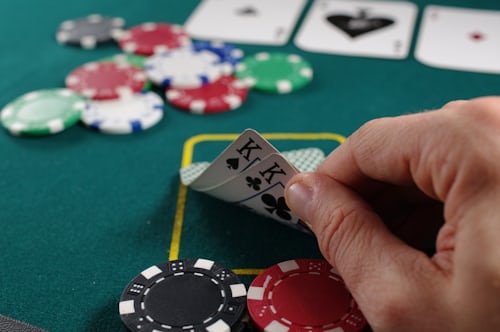
Peer pressure can play a crucial role as well, especially among younger adults. The desire to fit in or to be part of a social group can encourage individuals to engage in gambling activities even if they would not do so independently. This collective experience can amplify gambling behavior, leading to a higher likelihood of addiction among those who are more impressionable or seeking social approval. The interplay between social dynamics and gambling can be potent, making it essential to consider these factors in discussions about addiction.
Additionally, the media often glamorizes gambling, portraying it as a thrilling and luxurious lifestyle. Movies, television shows, and advertising can perpetuate stereotypes that equate gambling with success and excitement. This constant exposure can shape perceptions, leading individuals to underestimate the risks and implications of gambling. When cultural narratives romanticize gambling, it can encourage a cycle where individuals justify addictive behaviors as part of a glamorous lifestyle, complicating efforts to address gambling addiction at a broader societal level.
Resources and Support for Gambling Addiction
Understanding the complexities of gambling addiction is crucial for fostering awareness and building effective support systems. Numerous organizations and resources exist to help individuals struggling with gambling addiction, providing counseling, support groups, and educational materials. These resources aim to help individuals recognize their addiction and encourage them to seek help. Early intervention can drastically alter outcomes, often leading individuals toward healthier coping strategies.
Support groups, such as Gamblers Anonymous, offer communal support where individuals can share their experiences and find encouragement from others facing similar challenges. These groups provide a safe space for discussing hardships and successes, fostering a sense of community and belonging that is often missing for those struggling alone. Peer support can be instrumental in recovery, as shared experiences can lessen feelings of isolation and shame commonly associated with addiction.
Furthermore, educating the public about the risks of gambling and promoting responsible gaming can help diminish the stigma around seeking help. Awareness campaigns can inform individuals about the signs of problematic gambling behavior and the importance of setting limits. By fostering a cultural shift that emphasizes the potential risks associated with gambling, society can work toward a more informed and compassionate approach to treating gambling addiction.